
Uncategorized
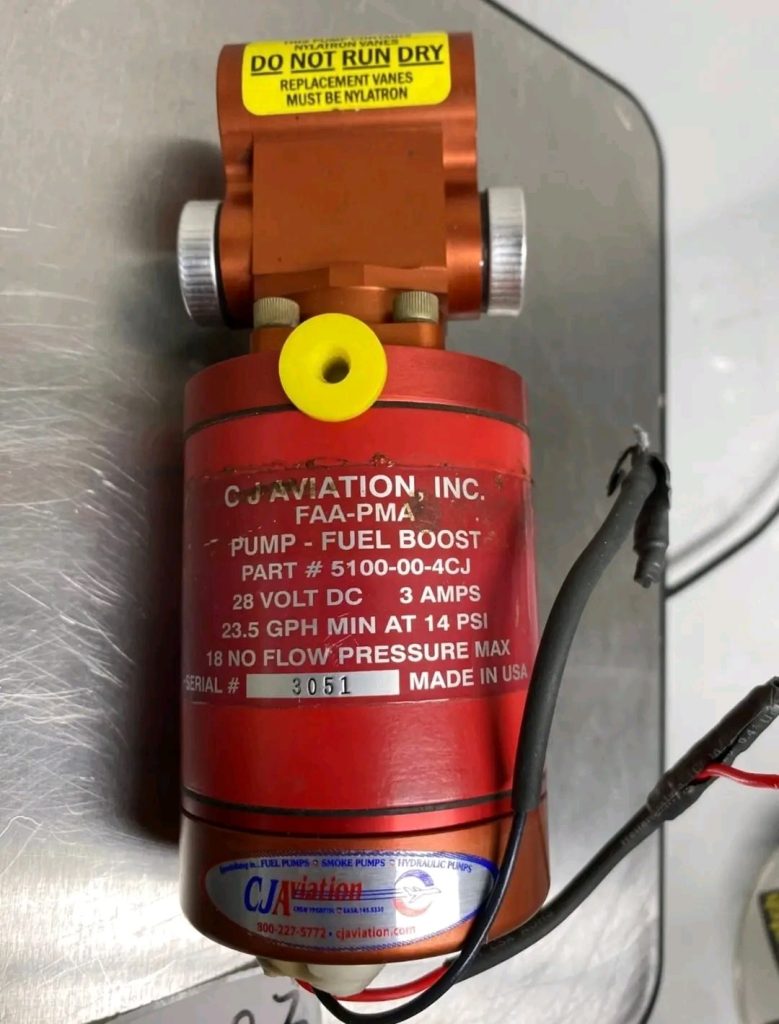
5100-004CJ – PUMP, FUEL BOOST
Feb
5100-004CJ – PUMP, FUEL BOOST
Fuel Boost Pump. The 5100-004CJ – PUMP, FUEL BOOST is a critical component within an aircraft’s fuel delivery system, designed to ensure consistent and reliable fuel flow from the tanks to the engine. Whether installed in a piston-powered general aviation aircraft or used as part of a turbine support system, a fuel boost pump plays an essential role in maintaining proper fuel pressure during engine start, takeoff, climb, and emergency operations.
In aviation, fuel flow consistency directly affects engine performance and safety. A properly functioning part eliminates fuel starvation risks, supports vapor suppression, and provides redundancy in the event of engine-driven pump failure. The 5100-004CJ part number identifies a specific configuration engineered to meet precise aircraft and system requirements.
This article explores the function, operational principles, installation considerations, maintenance requirements, and operational significance of the 5100-004CJ fuel boost pump in detail.
Fuel Boost Pump
Purpose of a Fuel Boost Pump in Aircraft Systems
A fuel boost pump is typically an electrically driven pump installed in the fuel line between the tank and the engine-driven fuel pump. Its primary functions include:
- Assisting fuel flow during engine start
- Providing backup in case of engine-driven pump failure
- Preventing vapor lock at high altitudes or elevated temperatures
- Supporting consistent pressure during high-demand phases such as takeoff
The 5100-004CJ component is designed to maintain adequate fuel pressure under varying operating conditions. In piston aircraft, especially low-wing configurations where gravity feed is not sufficient, boost pumps are essential for maintaining proper fuel supply.
Without a functioning boost pump, fuel pressure may fluctuate, leading to rough engine operation, power loss, or complete engine failure under certain conditions.
Fuel Boost Pump
How the 5100-004CJ Works
Most aircraft electric fuel boost pumps operate using either a vane-type or centrifugal design. While internal configurations may vary depending on manufacturer specifications, the operational principle remains consistent.
When activated, the electric motor spins an internal impeller or vane assembly. This movement draws fuel from the tank and pressurizes it through the outlet port toward the engine fuel system.
Key operational characteristics typically include:
- Continuous-duty electric motor
- Sealed housing for fuel compatibility
- Internal bypass or relief valve to prevent overpressure
- Vibration-resistant construction
The 5100-004CJ pump is engineered for aviation-grade reliability, meaning it must withstand:
- Continuous vibration
- Wide temperature variations
- Exposure to aviation gasoline or jet fuel (depending on system design)
- Altitude pressure changes
Unlike automotive fuel pumps, aviation fuel boost pumps are certified to meet strict regulatory and safety standards.
Fuel Boost Pump
Typical Applications
The 5100-004CJ – PUMP, FUEL BOOST may be found in various aircraft categories, including:
- Single-engine piston aircraft
- Light twin-engine aircraft
- Turbine-powered aircraft auxiliary systems
- Experimental or modified certified platforms
In piston aircraft, boost pumps are commonly used:
- During engine start
- During takeoff and landing
- When switching fuel tanks
- As directed by aircraft operating procedures
In turbine aircraft, boost pumps often ensure positive fuel pressure to engine-driven pumps, especially in complex fuel tank arrangements.
Fuel Boost Pump
Installation Considerations
Proper installation of the 5100-004CJ boost pump is essential for safe operation. Installation typically involves:
Mounting Orientation
The pump must be mounted according to manufacturer specifications, often near the fuel tank outlet and below fuel level where possible to maintain positive inlet pressure.
Electrical Wiring
A dedicated circuit breaker and properly rated wiring must be used to support the pump’s voltage and amperage requirements.
Fuel Line Integration
The inlet and outlet fittings must match the aircraft’s fuel system configuration. Proper torque, sealing methods, and leak checks are critical.
Vibration Isolation
Many installations use vibration dampening mounts to reduce mechanical stress and extend pump life.
System Testing
After installation, the fuel system must be tested for proper pressure output, leak integrity, and operational stability.
Improper installation can lead to cavitation, overheating, electrical failure, or inconsistent fuel pressure.
Fuel Boost Pump
Operational Procedures
Pilots typically operate the component in accordance with the aircraft’s Pilot Operating Handbook (POH). Standard procedures may include:
Engine Start
The part is activated to prime the fuel system before engine ignition.
Takeoff
In many aircraft, the part remains on during takeoff to ensure uninterrupted fuel supply during high power demand.
Climb and High Altitude
At higher altitudes, fuel vapor formation can increase. The boost pump helps suppress vapor lock.
Emergency Operations
If the engine-driven fuel pump fails, activating the boost pump can restore fuel pressure and prevent engine shutdown.
Some aircraft incorporate annunciator lights or fuel pressure gauges that allow pilots to monitor pump effectiveness.
Fuel Boost Pump
Safety and Redundancy
Fuel systems in aircraft are designed with redundancy wherever possible. The 5100-004CJ fuel boost pump acts as a secondary system supporting the primary engine-driven fuel pump.
In the event of engine-driven pump failure, the electric boost pump can often provide sufficient fuel pressure to maintain engine operation, allowing the pilot to divert safely.
This redundancy is especially critical in:
- Single-engine aircraft
- Overwater flights
- Night operations
- IFR conditions
A malfunctioning boost pump does not always cause immediate engine failure, but it removes a critical safety layer.
Fuel Boost Pump
Performance Characteristics
While specific technical specifications depend on manufacturer documentation, typical aviation characteristics include:
- Voltage: 14V or 28V systems
- Pressure Output: Varies based on engine type
- Continuous or intermittent duty rating
- Fuel compatibility: Avgas or Jet-A
It is essential that replacement parts match original system requirements exactly. Using an incorrect pressure-rated pump can lead to overfueling, underfueling, or system damage.
The 5100-004CJ part number ensures proper configuration compatibility when referenced against approved aircraft parts catalogs.
Fuel Boost Pump
Maintenance Requirements
Like all fuel system components, the 5100-004CJ requires periodic inspection and maintenance.
Common inspection items include:
- Checking for fuel leaks
- Verifying electrical connections
- Monitoring fuel pressure output
- Listening for abnormal pump noise
- Inspecting mounting security
Signs of a failing boost pump may include:
- Fluctuating fuel pressure
- Difficulty starting the engine
- Engine hesitation during high power demand
- Excessive pump noise
Maintenance intervals vary depending on aircraft usage and regulatory requirements. Some pumps operate reliably for thousands of hours, while others may require overhaul at specified time intervals.
Fuel Boost Pump
Troubleshooting Common Issues
Fuel Pressure Drops
This may indicate internal wear, electrical voltage issues, clogged fuel filters, or air leaks in the system.
Pump Does Not Activate
Possible causes include circuit breaker trip, faulty wiring, worn motor brushes, or switch failure.
Excessive Noise
Unusual noise can indicate cavitation, internal bearing wear, or debris contamination.
Overheating
Improper installation, restricted fuel flow, or continuous dry operation can lead to overheating and premature failure.
Proper troubleshooting should always follow approved maintenance manuals and be conducted by qualified technicians.
Fuel Boost Pump
Importance in High-Performance Phases of Flight
The boost pump plays its most critical role during:
Takeoff
Maximum power demand requires steady fuel flow. Any interruption can have immediate consequences.
Go-Around
Rapid throttle advancement requires instant fuel availability.
Fuel Tank Switching
This component is use can prevent temporary fuel starvation during tank transitions.
Hot Weather Operations
Higher fuel temperatures increase vapor formation risk.
By maintaining consistent pressure, the 5100-004CJ enhances operational reliability during these demanding phases.
Fuel Boost Pump
Replacement and Overhaul Considerations
When replacing the 5100-004CJcomponent, operators should ensure:
- The part number matches the approved parts catalog
- The unit is traceable with proper documentation
- Overhauled units meet certified standards
- Installation complies with regulatory requirements
Using unapproved substitutes can compromise fuel system performance and aircraft airworthiness.
Operators should also confirm compatibility with fuel type, electrical system voltage, and mounting configuration before installation.
Longevity and Reliability
Aviation-grade fuel boost pumps are built for durability. The 5100-004CJ model is designed to operate under continuous vibration and wide temperature ranges.
Factors influencing lifespan include:
- Fuel cleanliness
- Electrical system health
- Operating environment
- Frequency of use
- Proper priming procedures
Clean fuel systems and properly maintained electrical components significantly extend pump service life.
The Role of the 5100-004CJ in Overall Aircraft Safety
Fuel delivery reliability is non-negotiable in aviation. The 5100-004CJ – contributes directly to:
- Engine reliability
- Redundant fuel pressure support
- Vapor suppression
- Operational confidence
Though small compared to engines and avionics, the boost pump is foundational to flight safety. It ensures that fuel reaches the engine consistently and predictably, especially when demand peaks or primary systems falter.
Final Thoughts
The 5100-004CJ – PUMP, is a vital component within the aircraft fuel system, engineered to provide reliable, consistent fuel pressure across a range of operating conditions. From engine start to high-power climb, from emergency backup to vapor suppression, its role is both functional and safety-critical.
Proper installation, regular inspection, and adherence to approved maintenance practices ensure that this component performs as intended. While it may operate quietly in the background, the boost pump remains one of the most important safeguards in maintaining uninterrupted engine performance.
In aviation, reliability defines safety. The 5100-004CJ boost pump stands as a key contributor to that reliability, supporting aircraft operation flight after flight.


https://shorturl.fm/nK3Bc