
BendixKing KT-76A Transponder
Warp Drive Propeller
Feb
Warp Drive Propeller: High-Performance Composite Innovation for Experimental and Light Aircraft
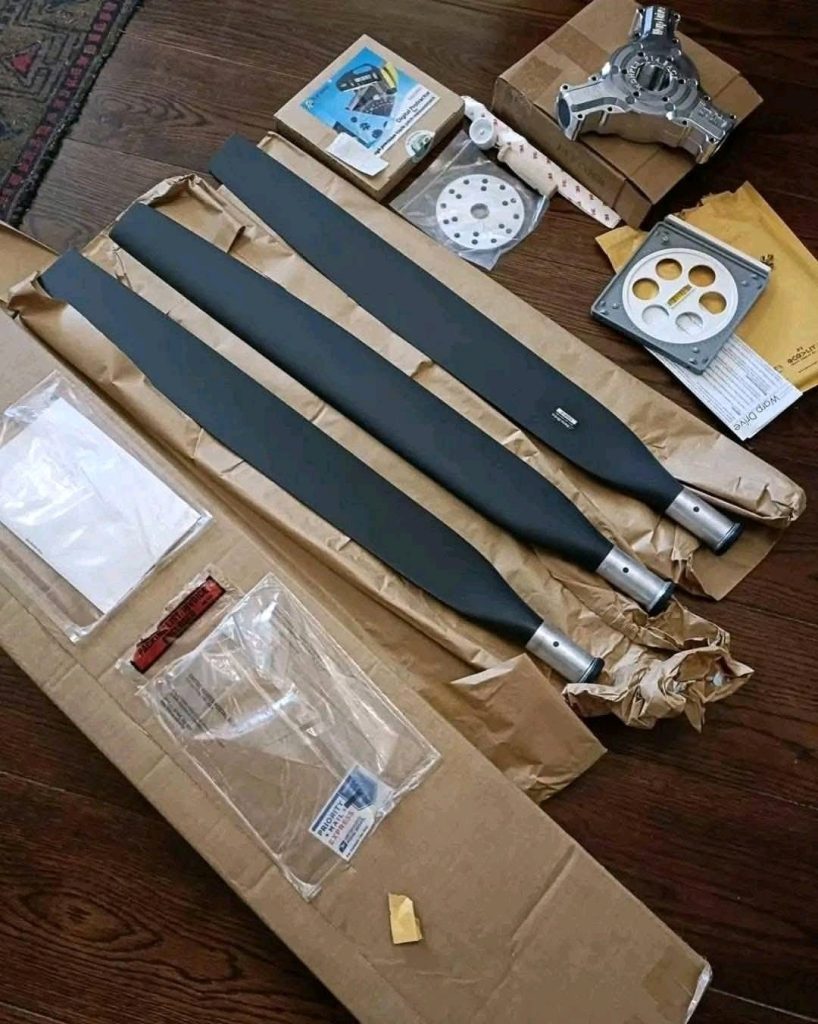
Warp Drive Propeller. Product line, commonly known as the Warp Drive Propeller, has earned a strong reputation in the experimental, ultralight, and light sport aviation communities. Designed for performance, durability, and adjustability, Warp Drive propellers are widely recognized for their composite blade construction and ground-adjustable pitch systems.
Most importantly, the part is traditional fixed-pitch aluminum or wood propellers found on many certified aircraft, Warp Drive propellers are engineered specifically for flexibility in performance tuning and resilience in demanding environments. From backcountry aircraft to powered parachutes, gyrocopters, and high-performance experimental builds, Warp Drive propellers are known for their rugged reliability and thrust efficiency.
Similarly, Drive Propeller explores the construction, performance characteristics, adjustability, applications, advantages, limitations, and operational considerations of propellers in detail
Warp Drive Propeller
Company Background and Design Philosophy
Warp Drive, Inc. has focused on composite propeller technology for decades, building a reputation around innovation and performance within non-certified aviation sectors. Their design philosophy centers on three primary goals:
- Strength through composite engineering
- Field-adjustable pitch flexibility
- Durability under harsh operating conditions
Rather than producing traditional certified Warp Drive Propeller for factory-built aircraft, Warp Drive targets the experimental and light aircraft market, where customization and performance tuning are highly valued.
Warp Drive Propeller
Composite Blade Construction
One of the defining characteristics of a Warp Drive Propeller is its carbon composite blade construction.
These blades typically feature:
- Carbon fiber reinforcement
- Solid composite cores
- Nickel leading-edge protection
- High-gloss protective finishes
Carbon fiber construction provides several advantages over aluminum or wood:
Strength-to-Weight Ratio
Composite part are lighter while maintaining structural rigidity.
Corrosion Resistance
Warp Drive Propeller, composite materials are not susceptible to corrosion.
Impact Resistance
Warp Drive blades are known for withstanding debris strikes better than many traditional materials.
Reduced Fatigue
Composite materials handle vibration and cyclical loads effectively, extending service life in many applications.
The Warp Drive Propellerl leading edge is particularly important for Warp Drive Propeller operating on gravel strips or unimproved surfaces, offering protection against erosion.
Warp Drive Propeller
Ground-Adjustable Pitch System
Another standout feature is the ground-adjustable pitch hub system.
- Adjust blade pitch on the ground
- Optimize for climb or cruise performance
- Match propeller settings to engine modifications
This adjustability makes Warp Drive propellers extremely popular among experimental aircraft builders.
A pilot prioritizing short-field performance can set a lower pitch for stronger climb rates.
The hub system clamps each blade securely, allowing precise angle adjustments while maintaining balance and structural integrity.
Warp Drive Propeller
Performance Characteristics
Warp Drive propellers are often selected for high-thrust applications.
Key performance attributes include:
- Strong static thrust
- Efficient climb performance
- Responsive throttle acceleration
- Smooth power transfer
Because they are commonly paired with Rotax engines and other light aircraft powerplants, Warp Drive propellers are engineered to perform efficiently at higher RPM ranges typical of these engines.
Many pilots report improved takeoff roll and climb performance when compared to older wooden or metal fixed-pitch propellers.
However Performance, however, depends heavily on proper pitch setup and aircraft configuration.
Warp Drive Propeller
Applications Across Aircraft Categories
Warp Drive propellers are commonly used in:
- Ultralight aircraft
- Light sport aircraft (LSA)
- Experimental homebuilt aircraft
- Gyrocopters
- Powered parachutes
- Airboats
- UAV platforms
Their adaptability makes them suitable for pusher and tractor configurations.
Warp Drive Propeller
Hub Configurations and Blade Options
Warp Drive offers multiple hub sizes and blade configurations to accommodate various horsepower ranges.
Options typically include:
- Two-blade systems
- Three-blade systems
- Four-blade systems
- Custom blade lengths
Increasing blade count can:
- Improve smoothness
- Reduce noise
- Enhance thrust in certain setups
However, additional blades may slightly reduce top-end speed depending on aircraft configuration.
Blade length and pitch must be carefully selected to match engine power output and airframe characteristics.
Warp Drive Propeller
Durability and Field Reliability
Durability is one of the most frequently cited strengths of Warp Drive propellers.
Composite blades with nickel leading edges provide resistance to:
- Gravel impact
- Sand erosion
- Minor foreign object damage
For aircraft operating in off-airport environments, this ruggedness is a major advantage.
Unlike wooden propellers that may require refinishing or moisture protection, composite blades typically demand less frequent cosmetic maintenance.
However, regular inspections remain essential to ensure:
- Hub bolt torque integrity
- Blade surface condition
- Proper tracking and balance
Warp Drive Propeller
Noise Considerations
Propeller noise is influenced by:
- Blade shape
- RPM
- Pitch setting
- Blade count
Warp Drive propellers can be tuned to balance performance and noise output. Three- and four-blade configurations often reduce perceived noise compared to two-blade systems operating at similar power settings.
Proper pitch adjustment plays a significant role in managing RPM and therefore overall acoustic footprint.
Noise regulations in certain regions may influence blade configuration decisions.
Warp Drive Propeller
Installation Considerations
Installing this part requires careful attention to:
- Hub alignment
- Torque specifications
- Blade pitch matching
- Dynamic balancing
Because these propellers are adjustable, precise blade angle measurement is critical. Even small inconsistencies between blades can cause vibration.
Dynamic balancing after installation is highly recommended to ensure smooth engine operation and minimize stress on engine mounts and airframe structures.
Compatibility with engine flange patterns must also be verified before installation.
Warp Drive Propeller
Maintenance Requirements
Although composite propellers are generally low-maintenance compared to wood, regular inspection remains necessary.
Routine checks should include:
- Inspecting leading edge for erosion
- Checking blade surfaces for cracks or delamination
- Verifying hub bolt torque
- Ensuring proper tracking
The Damage to composite blades should be evaluated according to manufacturer guidance. Minor csurface wear may be repairable, but structural damage typically requires professional assessment.
Unlike certified propellers, experimental propeller maintenance may not be governed by the same regulatory framework, but safety standards should remain equally strict.
Warp Drive Propeller
Advantages of Warp Drive Propellers
Lightweight Construction
Reduces rotational mass and engine stress.
Adjustability
Allows performance tuning for specific mission profiles.
Durability
Resistant to corrosion and environmental wear.
Customization
Multiple blade counts and lengths available.
Cost Efficiency
Often more affordable than certified constant-speed propeller systems.
These advantages make Warp Drive a popular choice among builders seeking flexibility without the complexity of hydraulic constant-speed systems.
Warp Drive Propeller
Limitations and Considerations
Not Certified for Most Type-Certificated Aircraft
They are primarily used in experimental or light sport categories.
Ground Adjustment Only
Pitch cannot be changed in flight like a constant-speed propeller.
Performance Trade-Offs
Improper pitch settings can reduce efficiency or strain the engine.
Operator Responsibility
Experimental aircraft owners bear responsibility for correct setup and configuration.
Understanding these limitations ensures realistic expectations and safe operation.
Warp Drive Propeller
Comparison to Traditional Propeller Types
- More durable
- Less sensitive to moisture
- Greater resistance to leading-edge wear
- Lighter weight
- Corrosion resistant
- Often more debris tolerant
Compared to constant-speed propellers:
- Simpler
- Lighter
- Less expensive
- No in-flight pitch adjustment
Each propeller type serves a different mission profile. Warp Drive excels in adjustable simplicity and rugged reliability.
Warp Drive Propeller
Why Builders Choose Warp Drive
Experimental aircraft builders often prioritize:
- Performance flexibility
- Easy field adjustments
- Strong static thrust
- Durability in off-airport operations
Warp Drive propellers meet these priorities effectively.
Backcountry pilots appreciate their resilience on gravel strips. Ultralight operators value the weight savings. Gyrocopter pilots benefit from smooth thrust delivery.
The ability to fine-tune pitch without purchasing a new propeller is a major economic and operational advantage.
Warp Drive Propeller
Final Thoughts
Warp Drive Propellers represent a strong blend of composite engineering, field adjustability, and rugged durability tailored to the experimental and light aviation community. With carbon fiber blade construction, nickel leading-edge protection, and customizable pitch settings, they offer a versatile solution for pilots who demand performance tuning flexibility.
Proper installation, careful pitch configuration, and routine inspection ensure reliable performance across a wide range of aircraft platforms.
For builders and operators seeking a lightweight, durable, and performance-driven propeller system, continues to stand out as a trusted and proven choice in the world of experimental aviation.


https://shorturl.fm/vS8sK